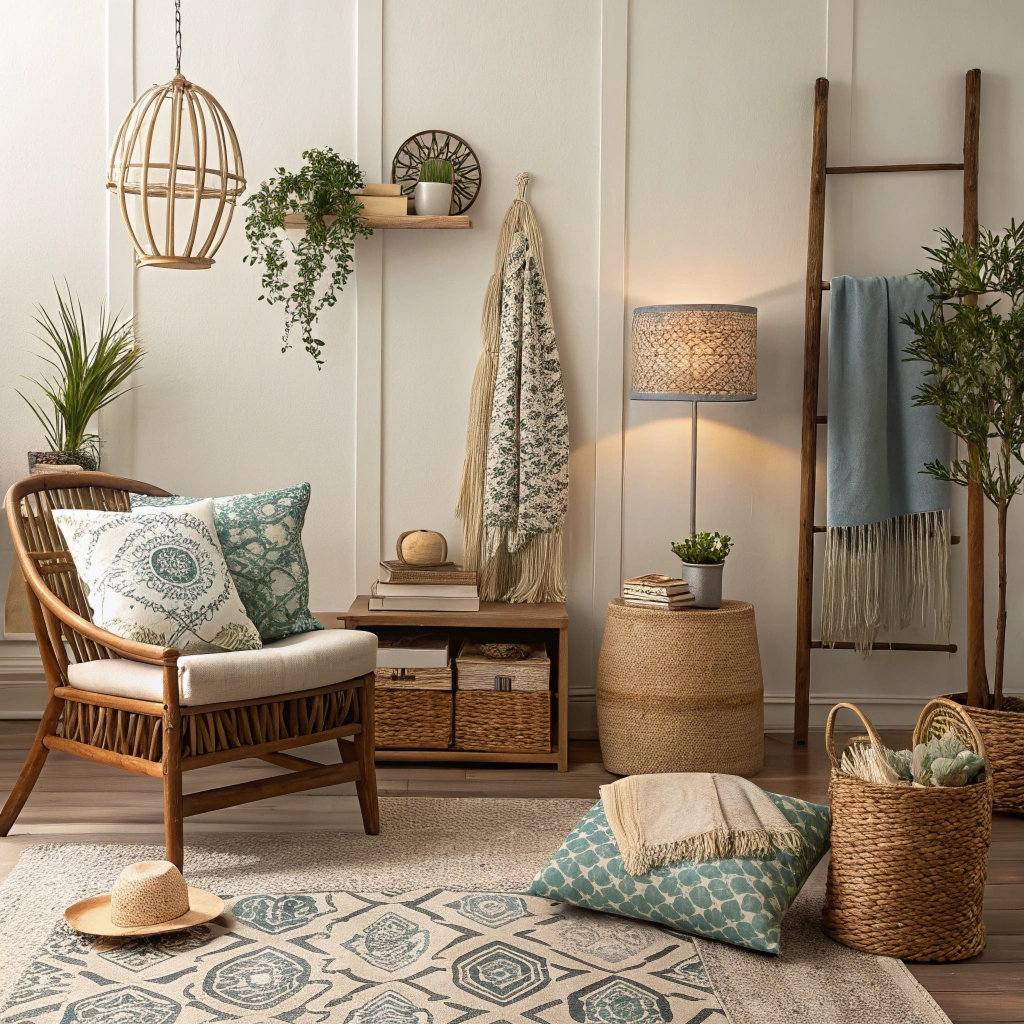
Spatial Styling
Circulation Analysis
Every space contains inherent pathways. We map these circulation patterns, identifying primary and secondary routes through the environment.
Furniture placement respects these natural flows while creating zones for different activities. Nothing obstructs movement; everything facilitates it.
Visual Balance
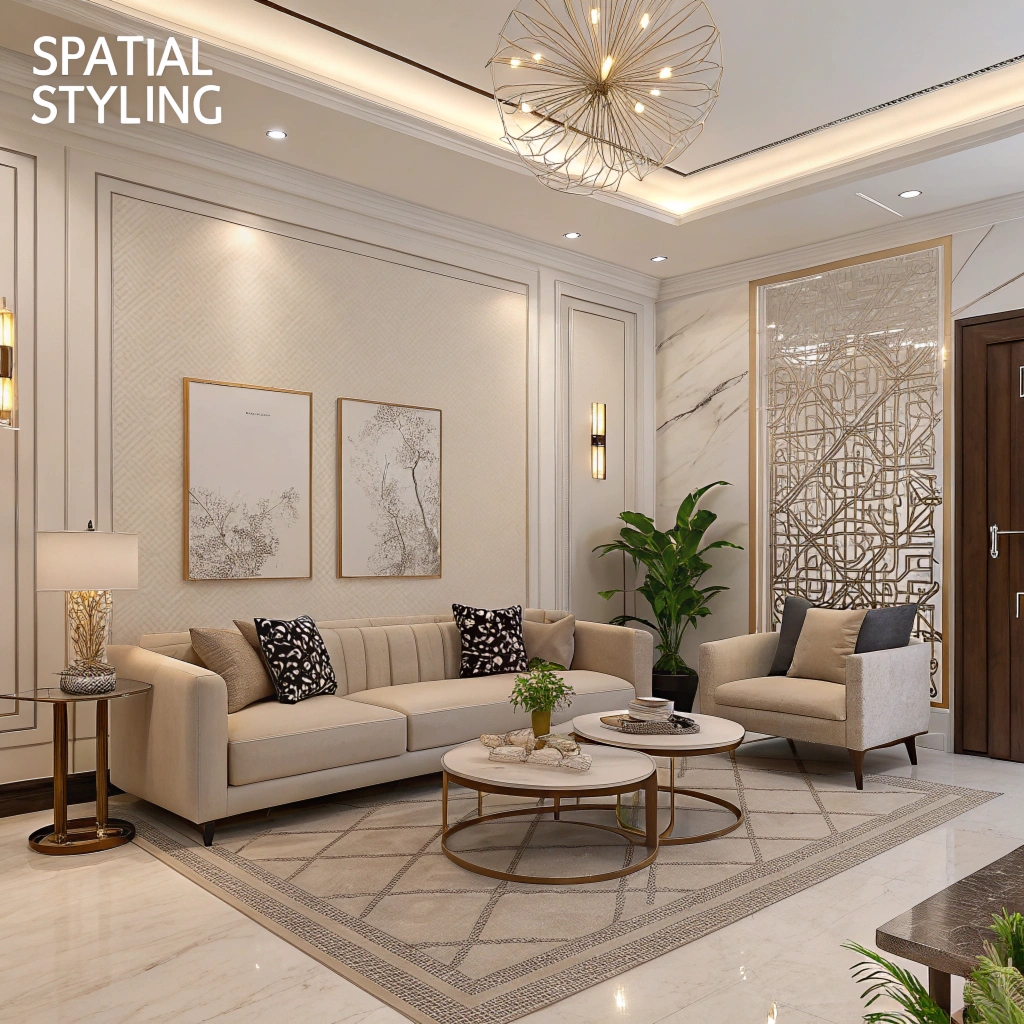
Balance is not symmetry. It is the distribution of visual weight across a space. Large forms are balanced by clusters of smaller objects. Heavy materials are offset by light, airy elements.
We consider the room from multiple vantage points, ensuring balance is maintained from every angle. The composition works whether viewed from the entrance, the seating area, or across the space.
Proportional Relationships
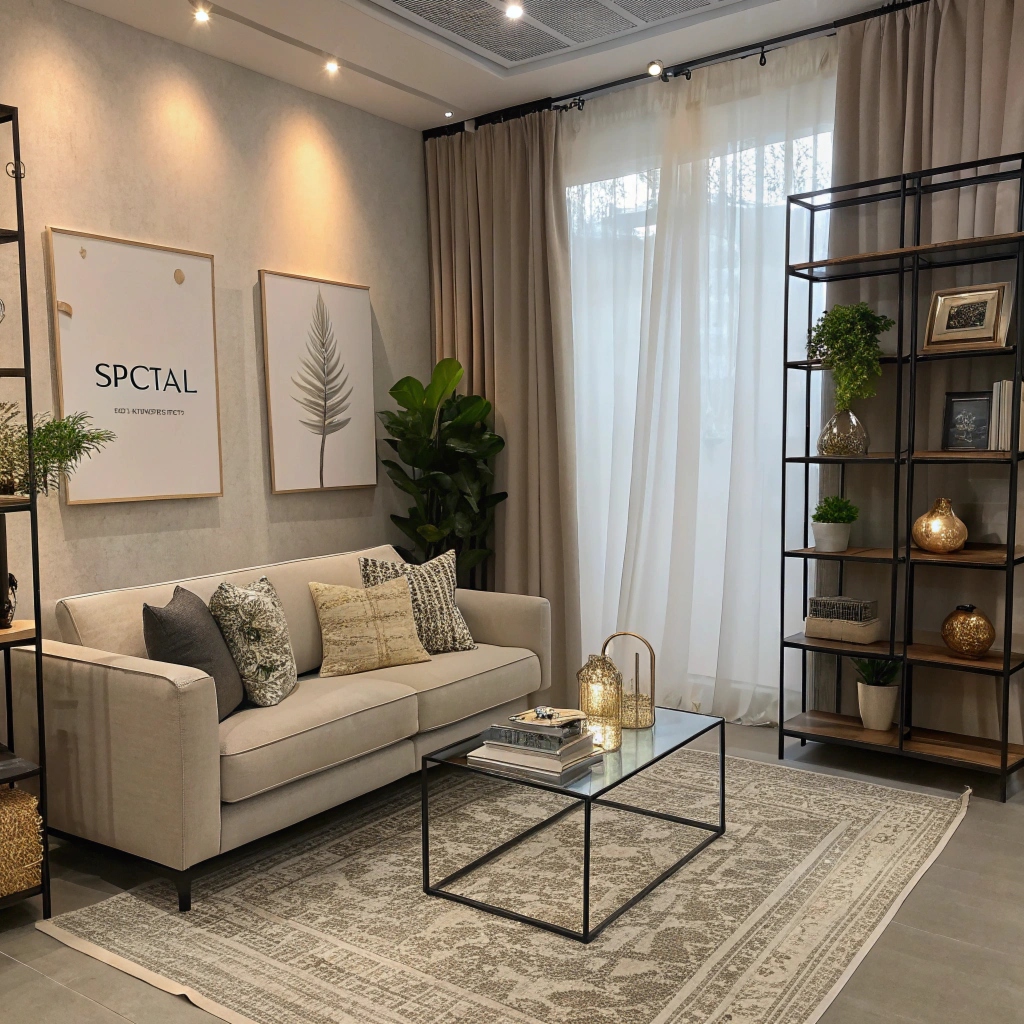
Furniture must relate to the scale of the room. Oversized pieces overwhelm; undersized pieces feel lost. We measure carefully, considering not just dimensions but visual presence.
Proportions extend beyond furniture to the relationship between objects, between furniture and architecture, between occupied and empty space. Each element is calibrated to the whole.
Sight Lines
What you see from where you sit matters. We establish key sight lines—views to windows, to art, to other rooms—and arrange furniture to frame these views rather than block them.
Placement Strategy
Furniture placement is not arbitrary. Each piece serves a function—seating, storage, display—while contributing to the overall spatial composition.
We begin with the largest pieces, establishing anchors in the room. Smaller elements then respond to these anchors, creating relationships and hierarchies.
Negative space is preserved. Not every surface needs an object. Not every corner needs furniture. Restraint allows the space to breathe.