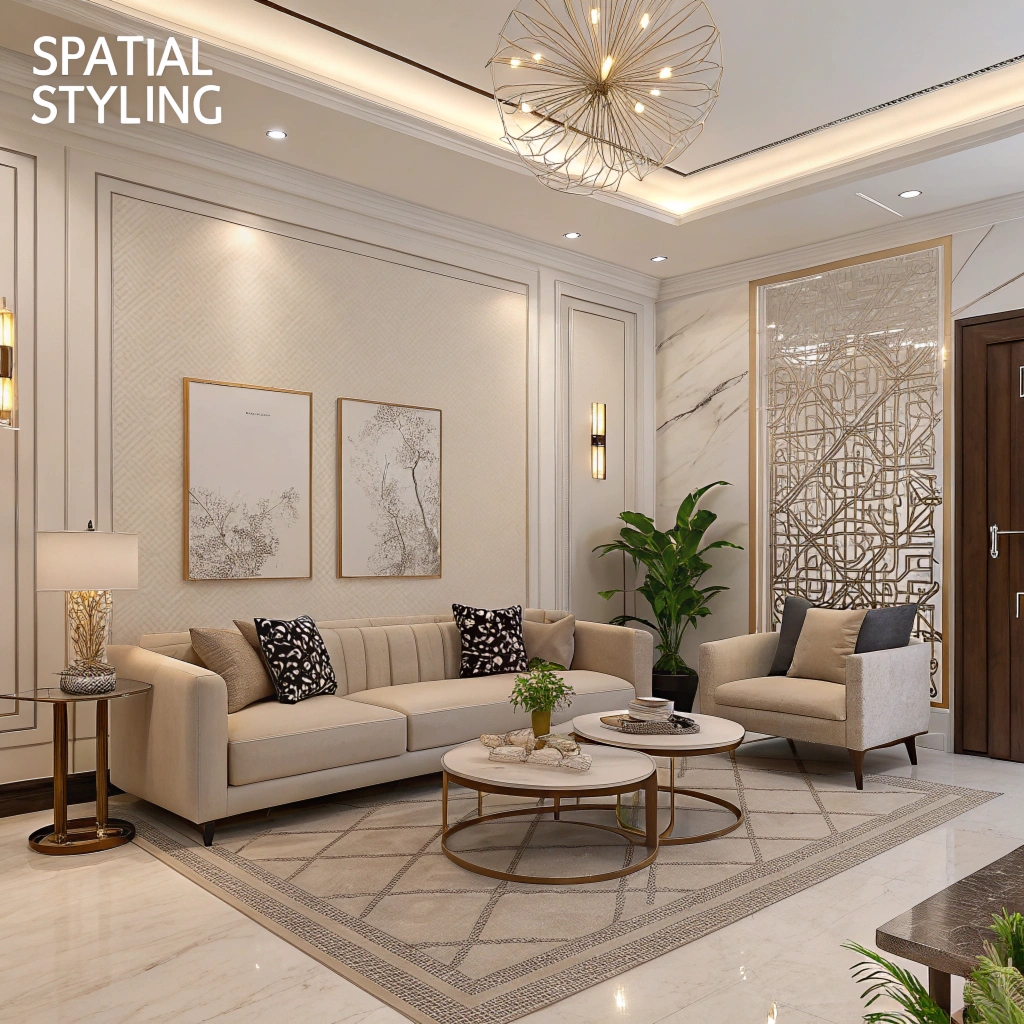
Philosophy
Interior decor exists in the space between architecture and inhabitation. It is neither construction nor decoration, but rather the careful orchestration of objects, materials, and light within existing structures.
Our methodology is fundamentally observational. We begin not with preconceptions or trends, but with the space itself—its dimensions, its light quality, its material history, its relationship to the surrounding environment.
Each intervention is considered in relation to what already exists. We do not seek to transform spaces into something entirely new, but to reveal their inherent potential through subtle, precise adjustments.
Material Presence
Materials carry weight, both physical and conceptual. A surface is not merely a surface, but a plane that reflects light, absorbs sound, and responds to touch. The selection of materials determines not only the visual character of a space but its entire sensory experience.
We favor materials that age gracefully, that develop patina over time, that tell stories through their use. Natural stone, aged wood, hand-finished metals, and carefully sourced textiles form the foundation of our material palette.
Spatial Rhythm
The placement of objects within a room creates rhythm and flow. This is not decoration but spatial composition. Each piece—whether furniture, lighting, or object—contributes to the overall balance and movement of the space.
We analyze sight lines, circulation patterns, and proportional relationships. Objects are positioned not for individual effect but for their contribution to the whole. Negative space is as important as occupied space.
Light and Shadow
Light defines space. It reveals texture, creates depth, and establishes mood. We work with natural light first, understanding its daily and seasonal patterns, then supplement with artificial sources that complement rather than compete.
Shadow is equally important. It provides contrast, creates mystery, and allows the eye to rest. A well-lit space is not uniformly bright but carefully modulated, with areas of both illumination and darkness.
Time and Patina
Interior decor is not static. Spaces evolve with use, materials develop character, objects accumulate meaning. We design for this evolution, selecting pieces that will age well and arrangements that can adapt over time.
Patina is not decay but evidence of life. We embrace the marks of use, the subtle changes that occur through habitation. A space should feel lived-in, not preserved.
Restraint
More is not more. Restraint is the foundation of sophisticated interior decor. Every addition must justify its presence. We remove before we add, simplify before we complicate.
This restraint extends to color, pattern, and ornament. We favor neutral palettes that allow materials and objects to speak. When color is introduced, it is intentional and limited. Pattern, if used, is subtle and architectural rather than decorative.