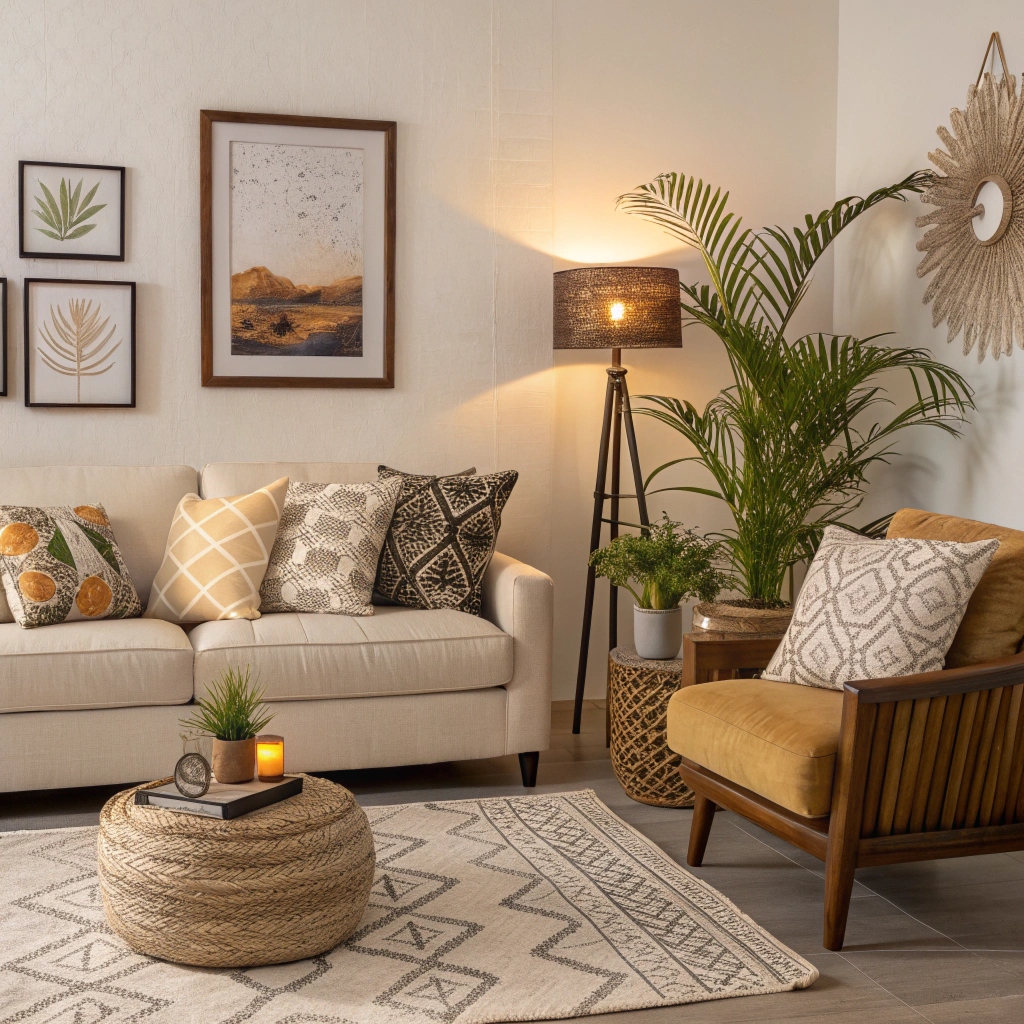
Object Composition
Objects are placed, not arranged. Their relationships to one another and to the space create visual narratives that unfold over time. Each object contributes to the whole while maintaining its individual presence.
Placement Principles
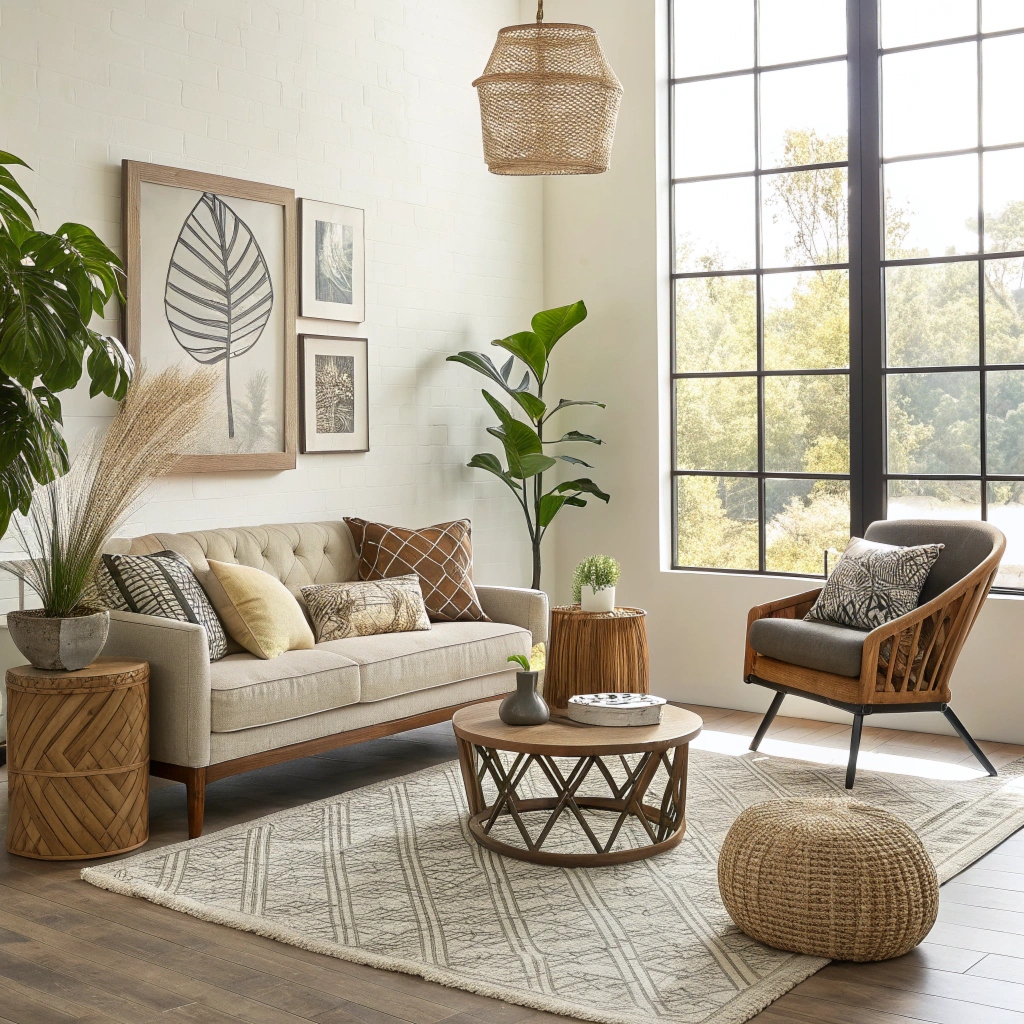
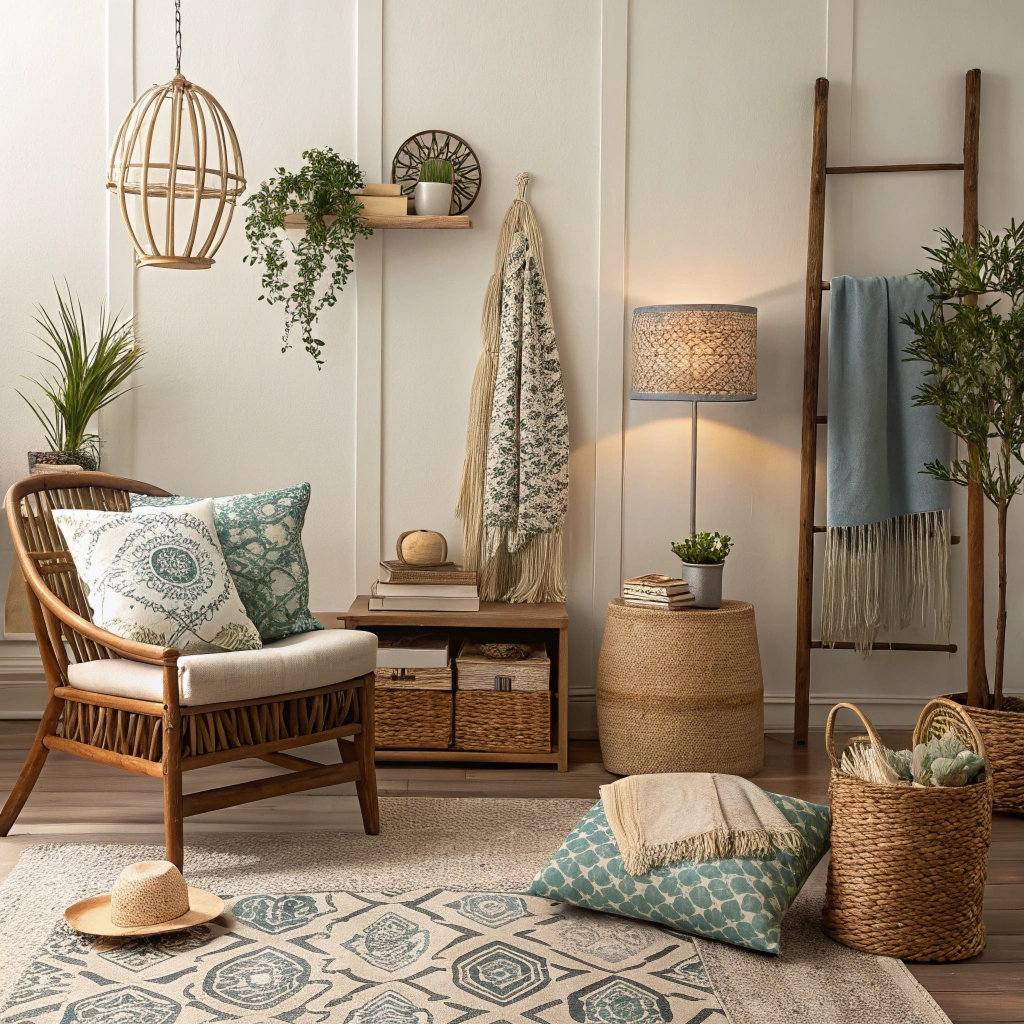
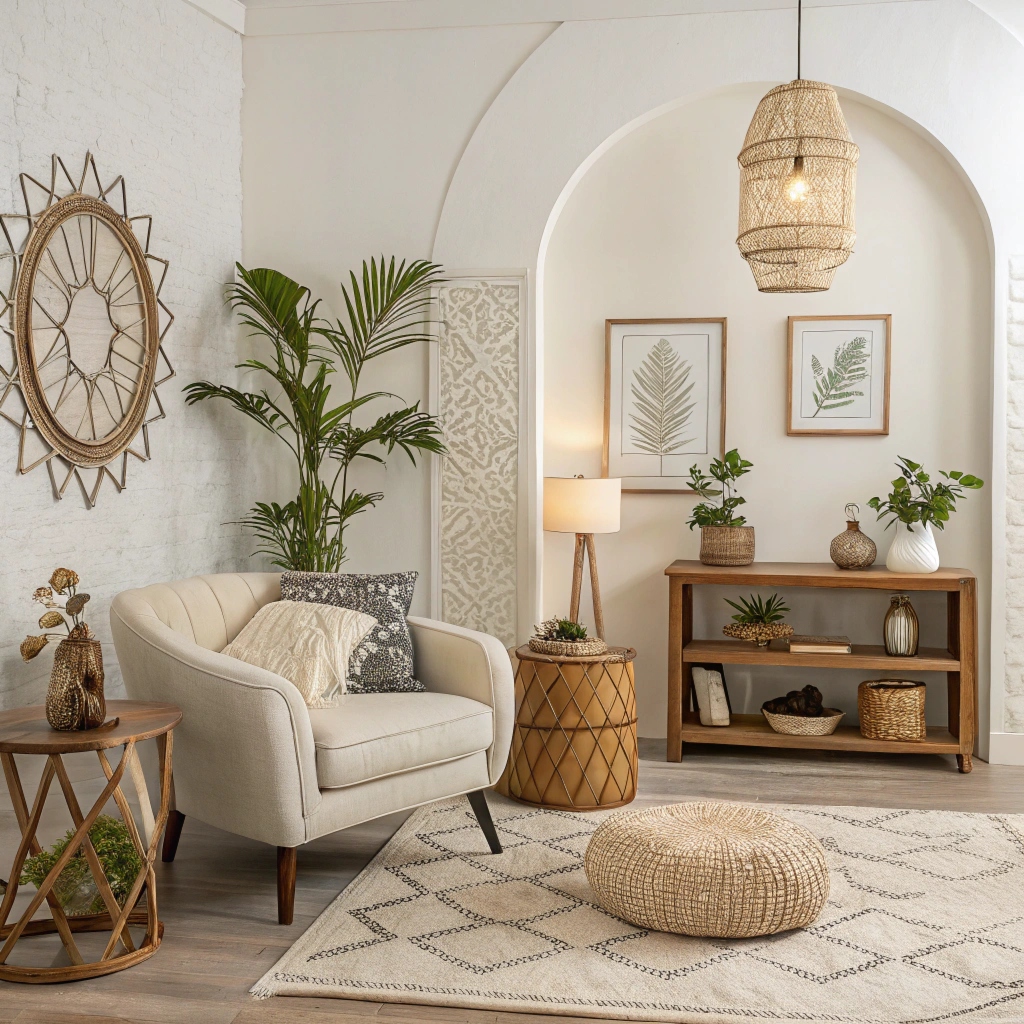
Objects are positioned according to scale, material, and visual weight. Large objects anchor compositions. Small objects provide detail and texture. Medium objects create transitions.
Groupings follow odd numbers—three, five, seven—which feel more natural than even groupings. Objects are clustered but not crowded, with breathing room between elements.
Art Placement
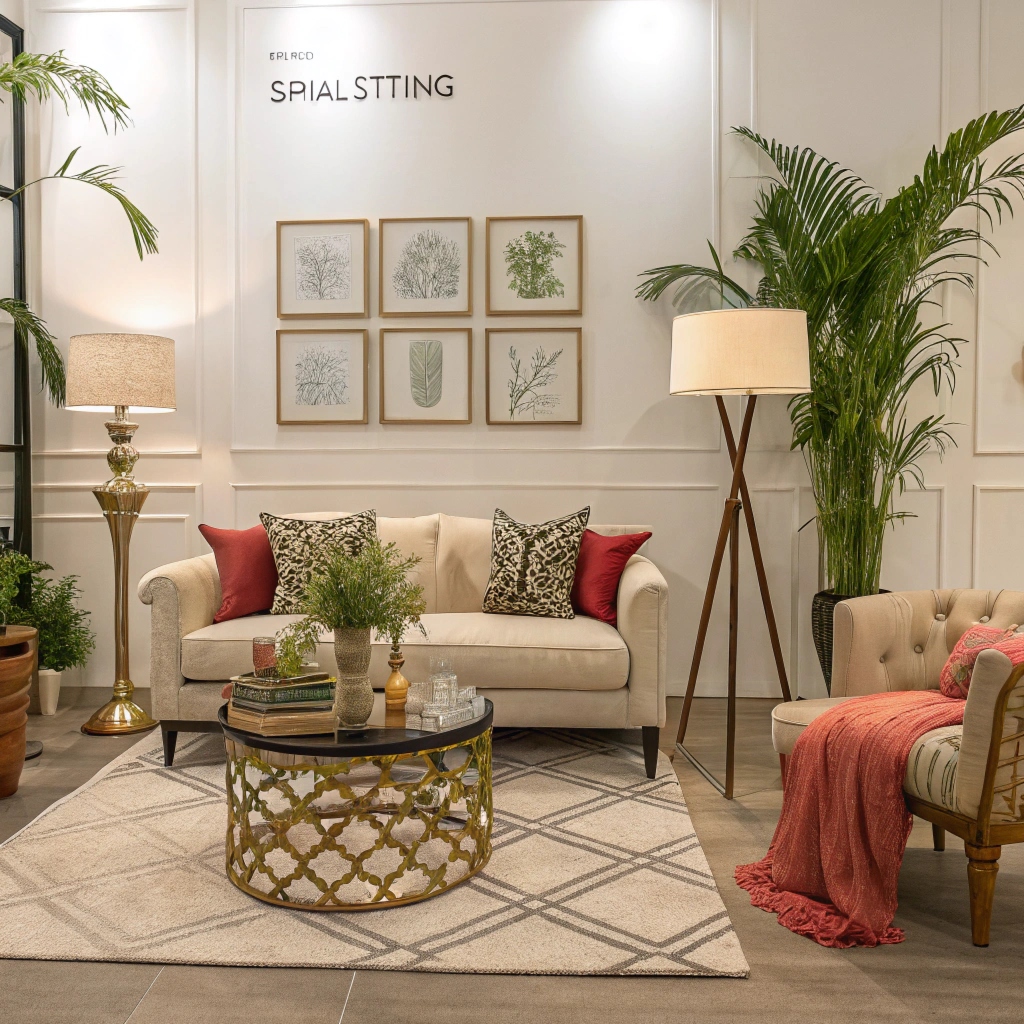
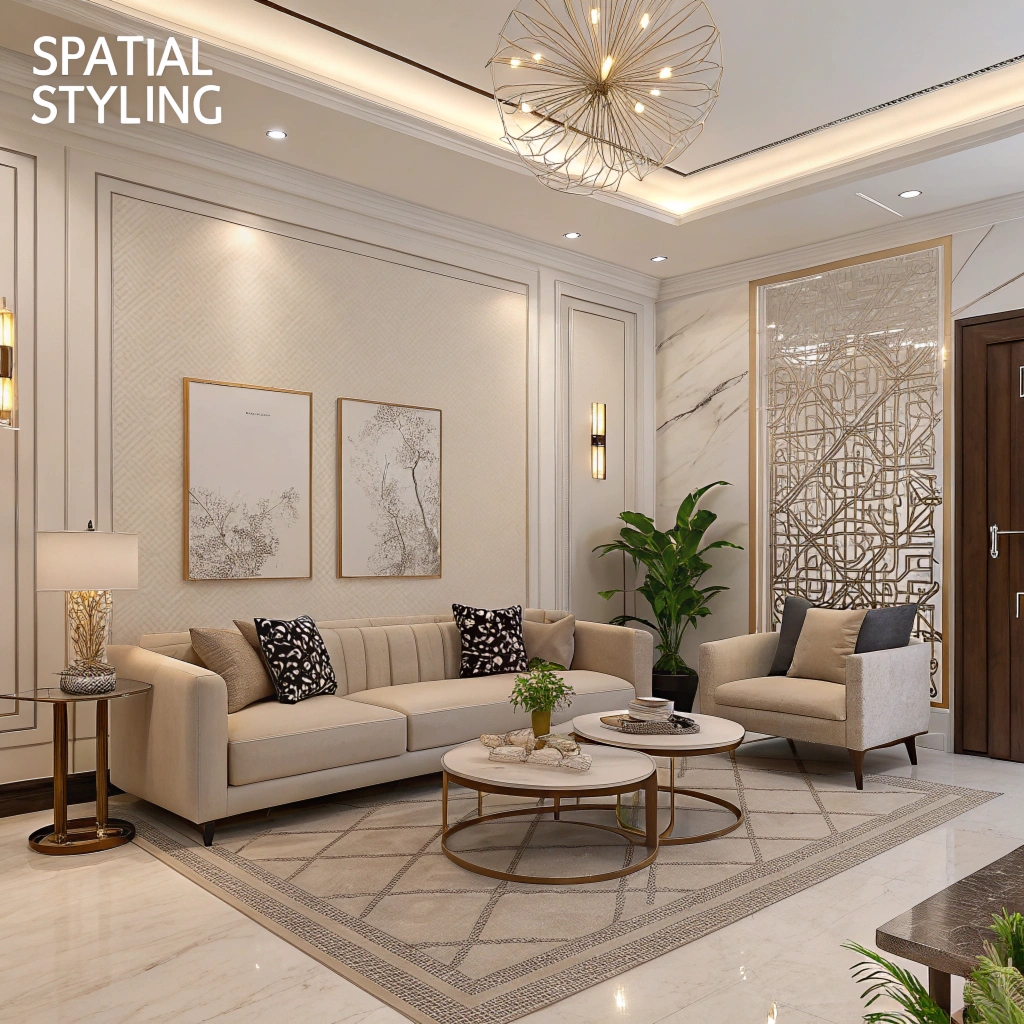
Artwork is integrated into the overall composition rather than isolated. It relates to furniture, objects, and architecture, creating visual connections across the space.
Hanging height is calibrated to the room's proportions and viewing angles. Art is positioned to be seen from seating areas, not just when standing.
Surface Compositions
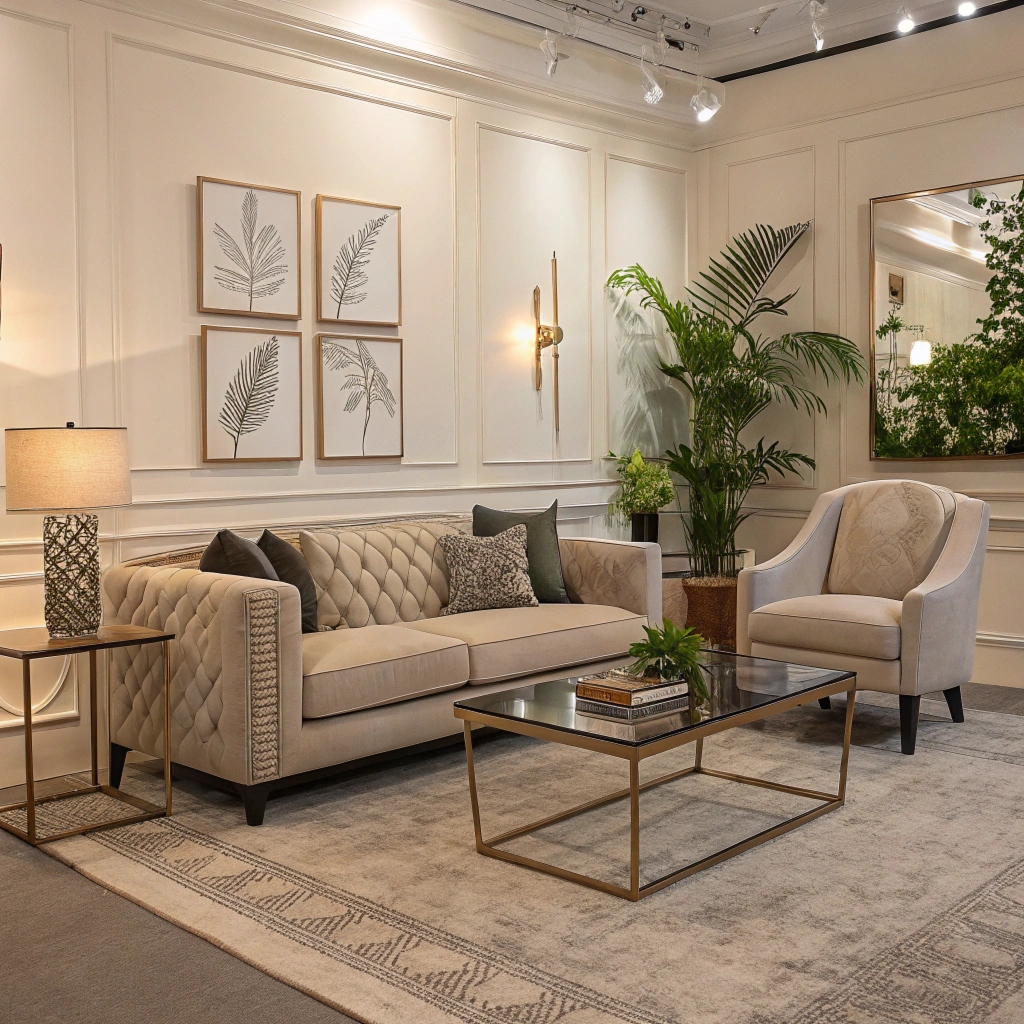
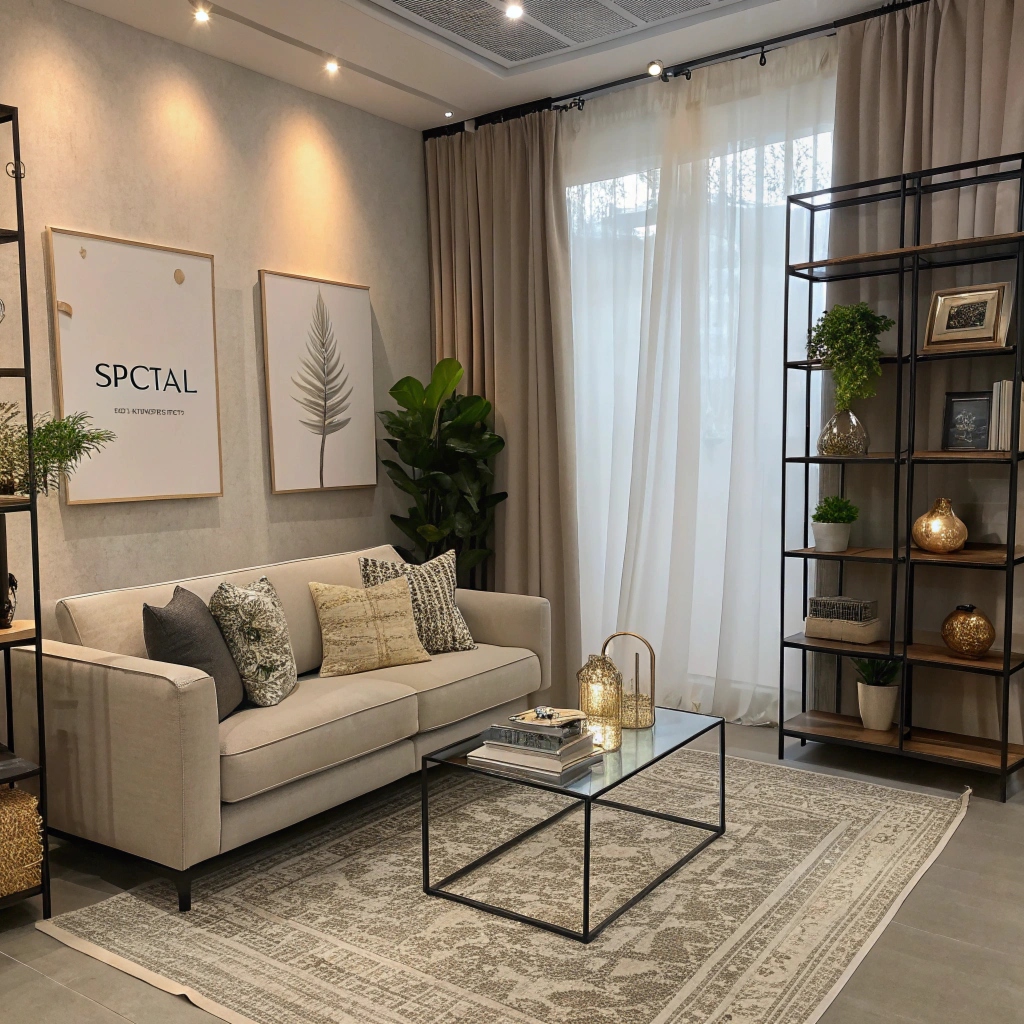
Tables, consoles, and shelves become stages for object arrangements. These compositions are viewed from multiple angles and must work from all perspectives.
We consider height variation, material contrast, and visual rhythm. Objects are layered—some forward, some back—creating depth and interest without clutter.
Books and Objects
Books are objects as well as content. They provide color, texture, and scale. Arranged with other objects, they create rich, layered compositions that feel personal and lived-in.